
Gardening Products for B2B Supply

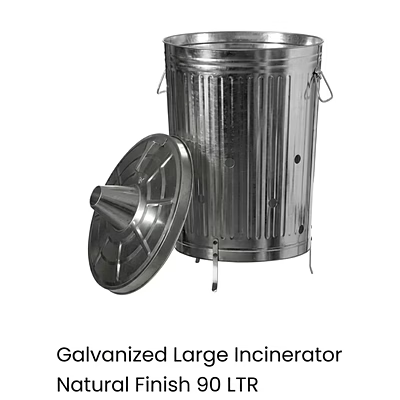
Incinerator
Compact Incinerator Unit for Institutional Use
Compact incinerator units provide controlled on-site combustion for specific non-hazardous waste streams in institutional settings. They are used where localized disposal is preferred and where regulatory controls permit on-site incineration. Procurement should prioritize combustion efficiency, emissions control options, and safe handling features to align with local waste-management rules.
Typical compact units are designed for low-volume throughput and include features for secure loading, ash collection, and basic emission control. Buyer evaluation focuses on throughput capacity, fuel type, maintenance access, and safe ash handling. For bulk procurement, confirm supplier documentation on safe operation and service support.
Where regulatory compliance is required, include environmental checks during sourcing and request demonstration or specification evidence from suppliers.

Small Gardening Buckets
Small Gardening Buckets for Garden Centers
Small gardening buckets provide a compact, reliable container solution for nursery and retail environments. These buckets are designed for routine plant care, potting, and transport tasks where a lighter, stackable vessel improves handling on shop floors. They suit garden centers, plant nurseries, and e-commerce sellers who require easy-to-store stock that is simple to pick, pack, and ship.
The construction typically uses durable polymer materials with reinforced rims and integrated handles to reduce breakage during handling. Their compact footprint supports efficient palletization and shelf display. For procurement teams this means predictable stocking, straightforward replenishment cycles, and simplified merchandising on seasonal peaks.
Suppliers commonly offer bulk packaging options and pallet-ready cartons to streamline inbound logistics. Buyers can evaluate buckets by material grade, rim reinforcement, handle type, and pack format to match point-of-sale or nursery workflows.
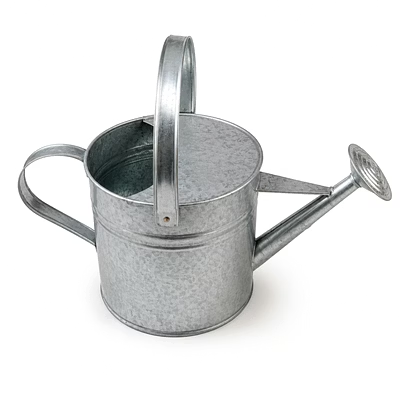
Water Cane
Watering Cane for Nursery and Garden Use
The watering cane is a handheld watering tool designed for targeted irrigation in nursery benches, potted plants, and retail displays. It provides precise water delivery to root zones and reduces overwatering on delicate seedlings. Procurement teams favor canes that balance ergonomic handling with controlled flow performance for repeat daily use.
Typical designs use molded plastic with a narrow spout or removable rose to adjust spray pattern. The lightweight build lowers operator fatigue during high-volume nursery tasks. For retail chains and garden centers, the product supports merchandising as an add-on utility item for customers.
Buyers review spout type, material durability, and pack counts when sourcing. Bulk packaging and pallet-ready cartons are common for larger replenishment orders to streamline logistics.
Commercial Gardening Supplies for Retailers
Commercial Gardening Supplies for Retailers covers trade-pack tools, planters and soil amendments intended for bulk resale or garden-centre merchandising. Packaging format and durability are key buyer signals in initial specifications.
Range: tools, planters and soil amendments
Assortment is organised to support retail display and backroom replenishment.
- Tools: trowels, forks and hand tools available in multi-packs
- Planters: plastic and fibre pots sized for shelf and pallet display
- Soil amendments: composts and feeds in trade sacks or multi-bag cartons
Selection factors: durability and finish
Selection emphasises material grade and finish to match outdoor exposure and customer expectations.
- Material choices and corrosion resistance for long-life tools
- Finish and label presentation for retail shelf appeal
- Warranty and replacement-part considerations for higher-value items
Ordering and merchandising: pack sizes and pallet options
Ordering is driven by merchandising format and freight efficiency; specify preferred pack sizes and desired pallet mix when requesting a quote.
- Retail-ready cartons and hanging-card packs for point-of-sale
- Mixed-assortment pallets to assemble starter displays
- Specify pallet quantities and preferred pallet configuration in the RFQ
FAQ
What minimum quantities are required for garden tool lines? MOQ depends on tool family and finish; include target SKU mix and annual volumes in the RFQ to confirm applicable tiers.
How are prices calculated for mixed assortments? Mixed-assortment pricing is calculated from component unit costs and pallet consolidation; specify the SKU list for an accurate quote.
Are material specifications available for corrosion resistance? Material and finish specifications can be supplied at quotation stage when requested in the RFQ.
What logistics options exist for mixed gardening pallets? Logistics depend on pallet composition and destination; include desired delivery window and handling preferences in the RFQ to receive tailored options.